LNT Takje
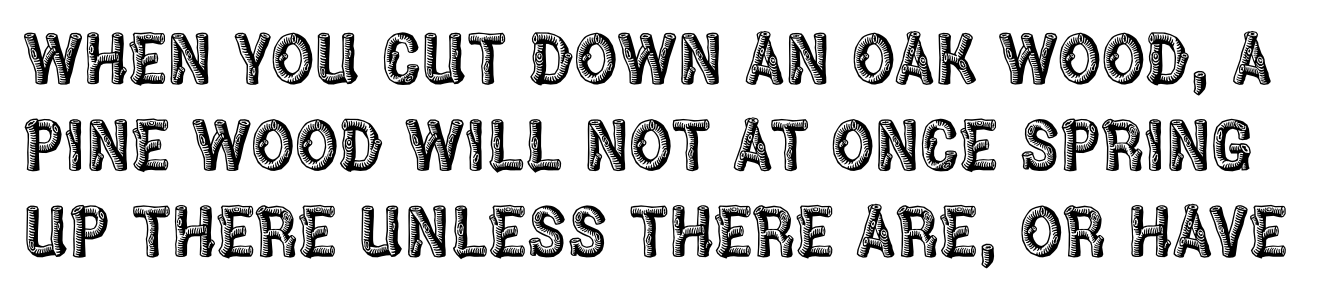
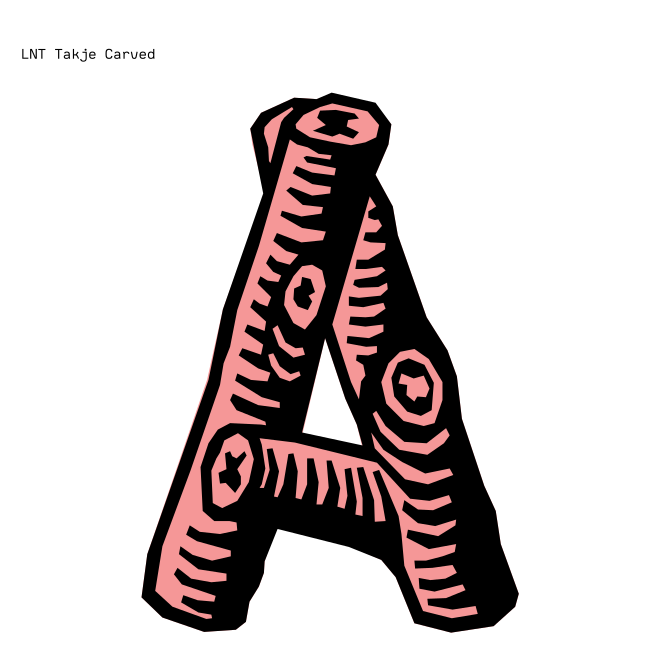
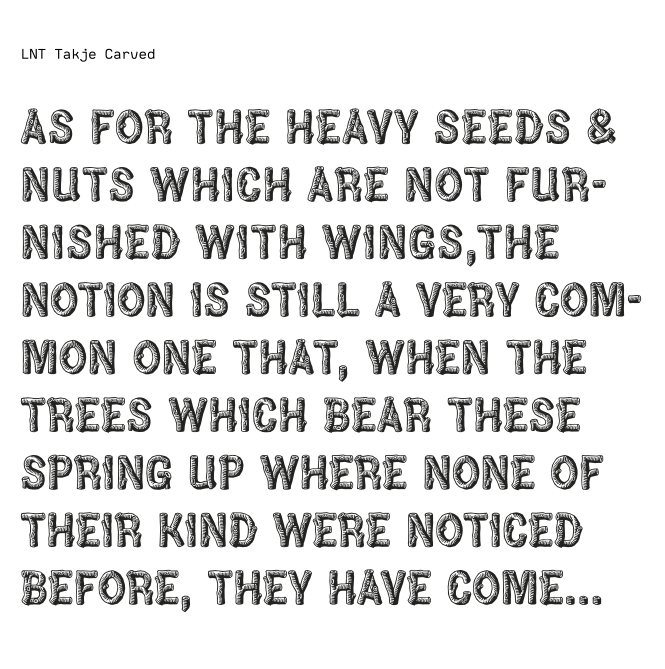
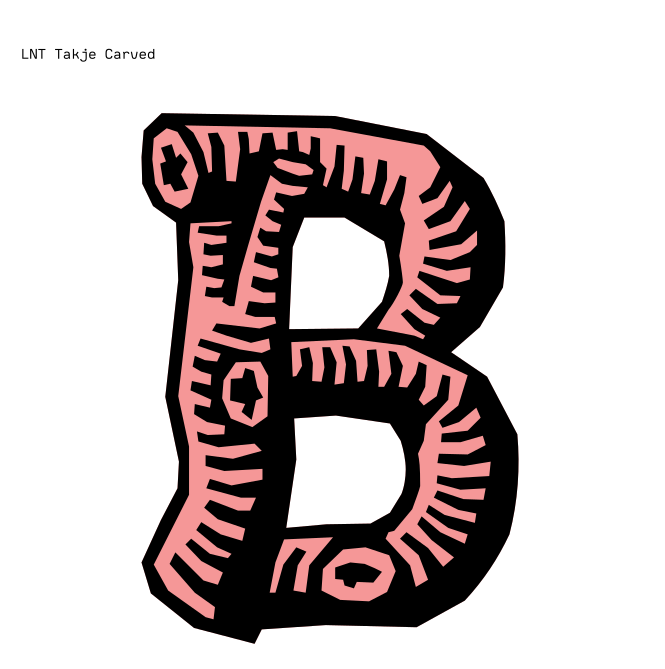
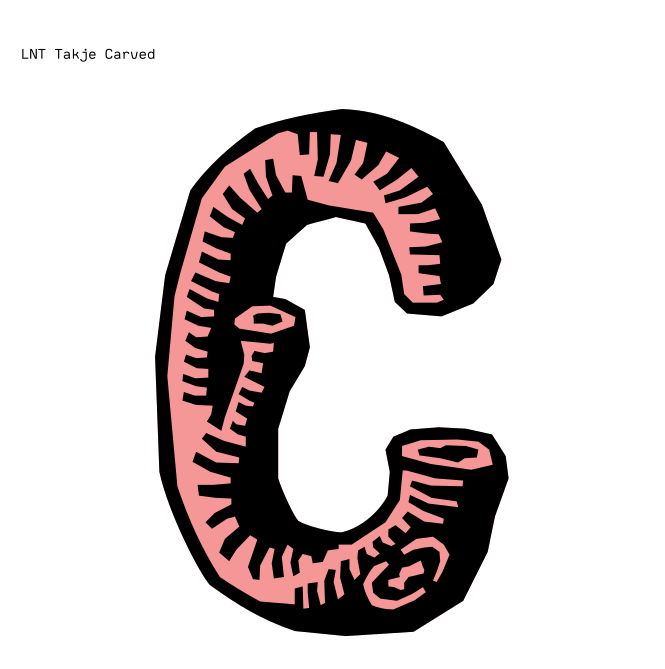
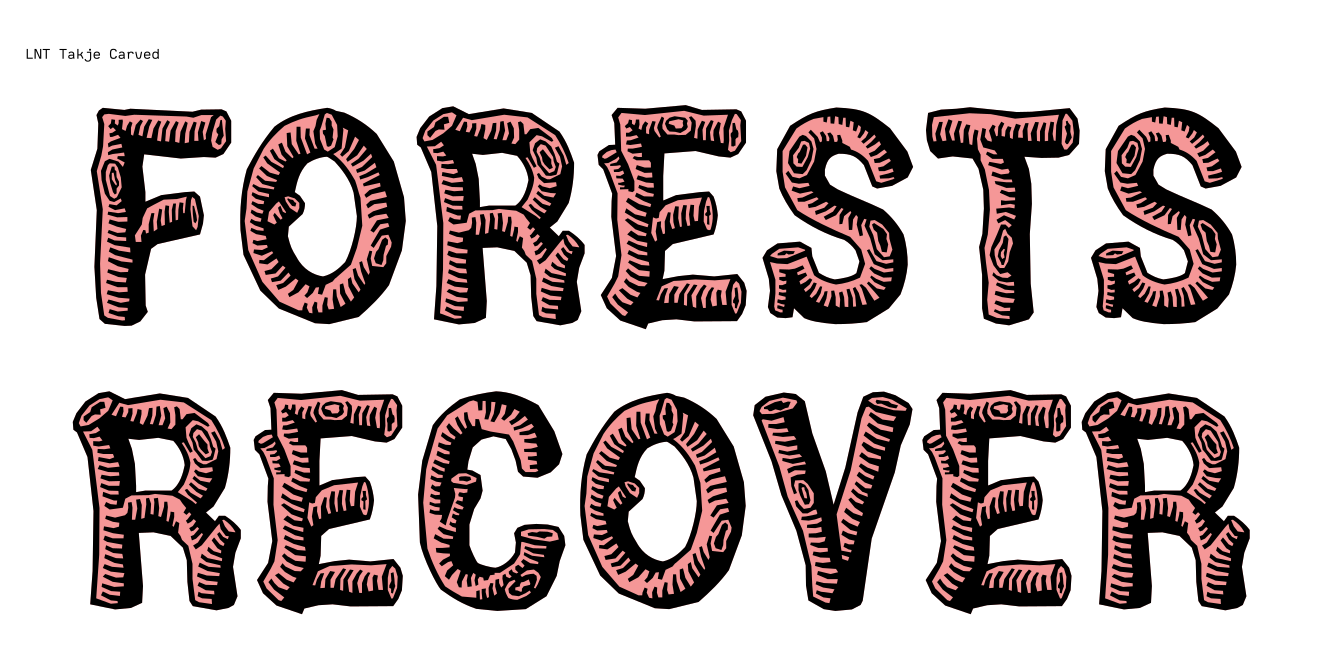
LNT Takje Carved
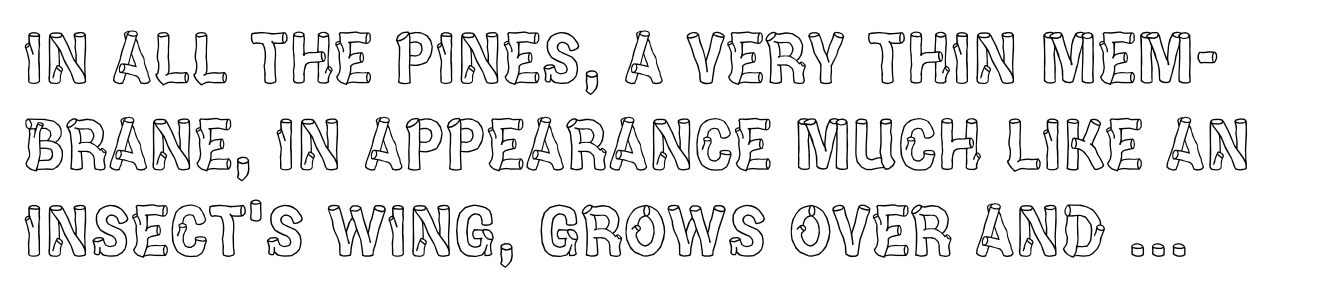
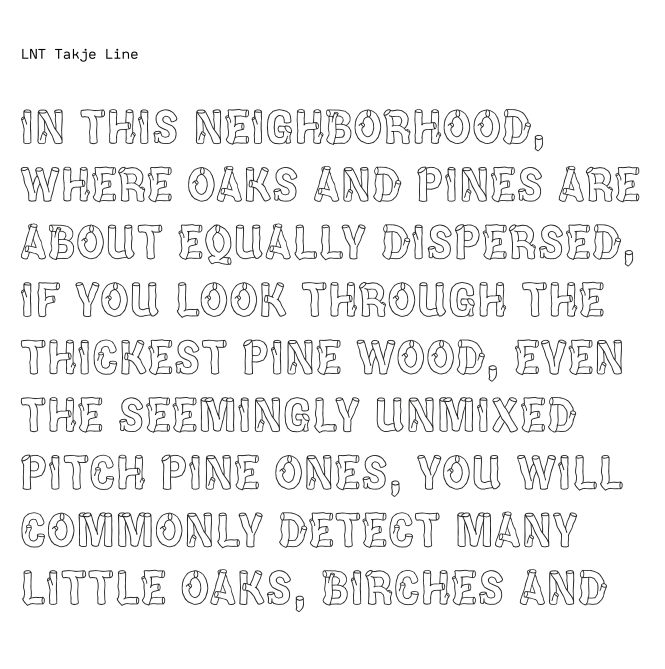
LNT Takje Line
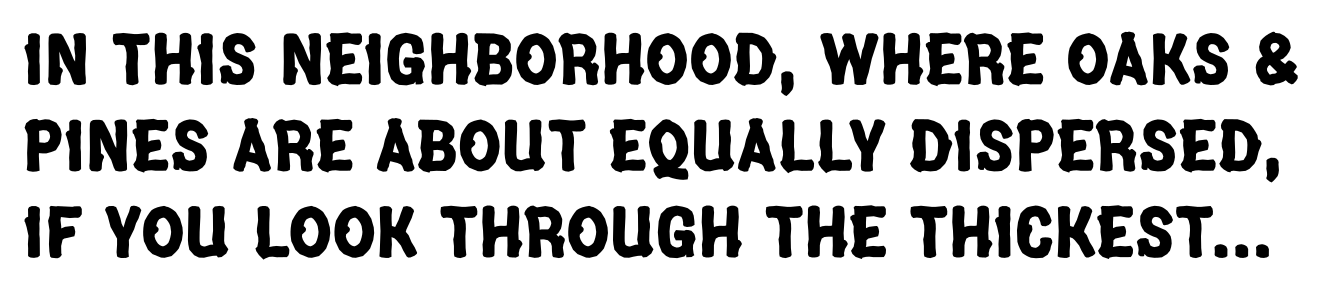
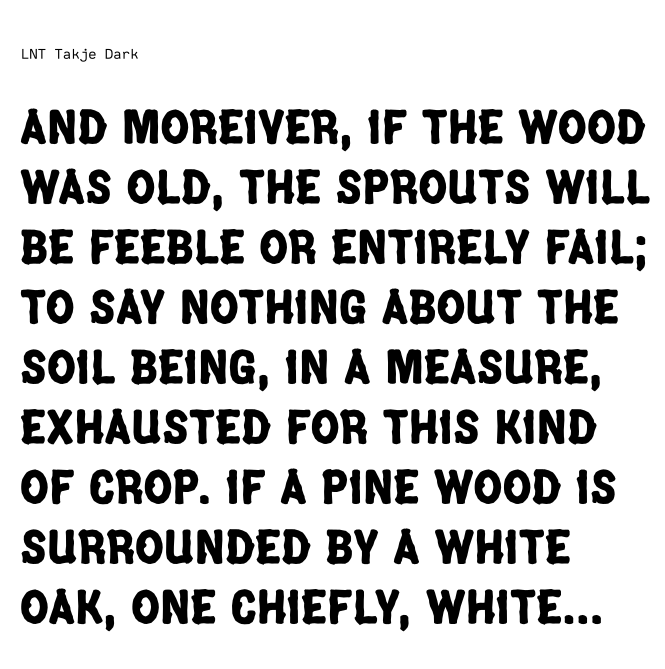
LNT Takje Dark
About the typeface:
LNT Takje is an ode to woodiness and a monument to all trees ever felled. It is a typeface inspired by nineteenth century examples, constructed out of tree branches, drawn in a style of woodcuts. As a revival and an experiment at the same time, it’s here to bring playfulness into today’s typographic designs.
LNT Takje started as an experiment to revive a group of typefaces called ‘Rustic’, found in 19th century type specimens. I first stumbled upon this design in a type specimen of Tetterode (later known as Lettergieterij Amsterdam) from 1952-1860.1 The named specimen fascinated me, because it was a composite of type specimens, showing the mergers and moves of the type foundry. One could also see the traces of the trade in it: some pages were also cropped and cut out to use as examples for buyers.
Upon research I found out that the original ‘Rustic’ designs first appeared in the 1845 type specimens of the V. & J. Figgins foundry, based in London. According to type historian Nicolete Gray, even though the tree-trunk letters were popular in lettering designs, they were not particularly successful as metal type, and they faded from the catalogs after a few decades.2
My infatuation with the ‘Rustic’ came from, one the one hand, from the ambiguous relationship to tree-others it illustrates, and on the other hand it’s strange, quirky shapes and design solutions. The original designs came in various sizes, with or without drop shadows. The refinement of the shading and the complexity of the letter-shapes varied according to the size. In my digital interpretation I set out to create a variant that would serve the contemporary designer’s needs. I adjusted the letter-shapes to establish a consistency in width, weight and design, so the typeface is legible even for longer texts. I chose a shading technique works on sizes from small to large. Takjes is an invitation for a dance to curious designers of books, posters, packaging and visual identities.
References:
1. N. Tetterode Amsterdam, N. Tetterode Rotterdam & De Passe & Menne Amsterdam (1852-1860) Letterproef, Tetterode, Amsterdam, etc.
2. Nicolete Gray (1975) Nineteenth Century Ornamented Types &
Title Pages. Faber and Faber, London.
Specimen texts:
Henry David Thoreau (1906) “The Succession Of Forest Trees” in: Excursions and Poems. Houghton Mifflin and Company, Boston.
Number of glyphs:
264
File formats:
.otf .woff .woff2
Language support:
Abenaki, Afaan Oromo, Afar, Afrikaans, Albanian, Alsatian, Amis, Anuta, Aragonese, Aranese, Arrernte, Arvanitic, Asturian, Aymara, Basque, Bikol, Bislama, Breton, Cape Verdean, Catalan, Cebuano, Chamorro, Chavacano, Chickasaw, Cofan, Corsican, Danish, Dawan, Delaware, Dholuo, Drehu, Dutch, English, Estonian, Faroese, Fijian, Filipino, Finnish, Folkspraak, French, Frisian, Friulian, Galician, Genoese, German, Gooniyandi, Greenlandic, Guadeloupean, Gwichin, Haitian Creole, Han, Hiligaynon, Hopi, Hungarian, Icelandic, Ido, Ilocano, Indonesian, Interglossa, Interlingua, Irish, Italian, Jamaican, Javanese, Jerriais, Kala Lagaw Ya, Kapampangan, Kaqchikel, Kikongo, Kinyarwanda, Kiribati, Kirundi, Klingon, Latin, Latino Sine, Lojban, Lombard, Low Saxon, Luxembourgish, Makhuwa, Malay, Manx, Marquesan, Meriam Mir, Mohawk, Montagnais, Murrinhpatha, Nagamese Creole, Ndebele, Neapolitan, Ngiyambaa, Norwegian, Novial, Occidental, Occitan, Oshiwambo, Palauan, Papiamento, Piedmontese, Portuguese, Potawatomi, Qeqchi, Quechua, Rarotongan, Romansh, Rotokas, Sami Southern, Samoan, Sango, Saramaccan, Sardinian, Scottish Gaelic, Seri, Seychellois, Shawnee, Shona, Sicilian, Slovio, Somali, Sotho Northern, Sotho Southern, Spanish, Sranan, Sundanese, Swahili, Swazi, Swedish, Tagalog, Tetum, Tok Pisin, Tokelauan, Tshiluba, Tsonga, Tswana, Tumbuka, Tzotzil, Ukrainian, Uzbek, Venetian, Volapuk, Voro, Walloon, Waraywaray, Warlpiri, Wayuu, Wikmungkan, Wiradjuri, Xhosa, Yapese, Yindjibarndi, Zapotec, Zulu, Zuni
Design:
Nóra Békés
Year:
2026
Mentoring:
Type specimen layout:
Nóra Békés
Cover image:
Nóra Békés